
When we think about “investing” in a home, our minds often drift toward the glamorous. We imagine open-concept kitchens with waterfall islands, smart home systems that dim the lights on command, or lush backyard retreats. These are the features that win hearts during an open house, but they are not the features that keep a house standing for a century.
The true value of your property is hidden. It is found in the compaction of the soil, the pitch of the roof, the seal of the windows, and the rigidity of the floor joists. Structural integrity is the “iceberg” of homeownership: 90% of what matters is below the surface. Neglecting these core components creates a “deferred maintenance tax”—a compounding debt that eventually comes due in the form of cracked foundations, rotted framing, or catastrophic water damage.
To protect your greatest financial asset, you must shift your mindset from “repairing what is broken” to “preserving what is sound.” This 3000-word guide explores the critical systems of your home and how to manage them as a long-term investment.
Foundation and Soil Management
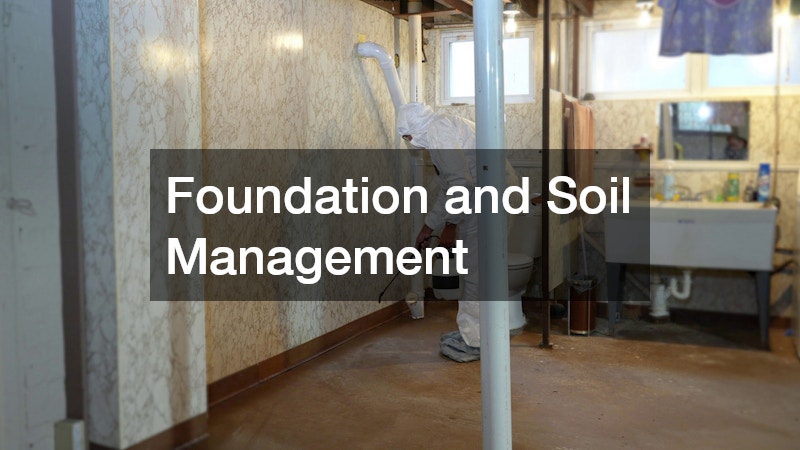
Everything in your home—every brick, every nail, and every piece of furniture—relies on the ground beneath it. The biggest threat to your home’s skeleton isn’t just the weight of the structure, but the behavior of the soil. Expansive clays, shifting water tables, and poor compaction can lead to differential settlement, where one part of the house sinks faster than another.
Maintaining Soil Equilibrium
To prevent structural movement, you must manage moisture levels around your perimeter. During droughts, soil shrinks and pulls away from the concrete; during heavy rains, it swells and exerts “hydrostatic pressure” against your basement walls.
The Flower Bed Fallacy: Avoid planting large, thirsty trees close to the house, as their roots can suck moisture out from under the slab.
Controlled Watering: In arid climates, using a soaker hose a few feet from the foundation during dry spells can keep the soil volume consistent.
Visual Monitoring: Walk your perimeter monthly. Look for “stair-step” cracks in brickwork or interior doors that suddenly refuse to latch.
When these preventative measures aren’t enough, professional intervention becomes an investment rather than an expense. Specialized foundation repair techniques, such as piering or wall anchors, can stabilize a home for decades. Addressing a small crack today might cost a few thousand dollars, but waiting until the house develops a noticeable tilt can lead to costs that exceed the home’s equity.
Defending Against the Elements
The “envelope” is the physical separator between the conditioned interior and the unconditioned exterior. If the foundation is the feet of the home, the siding and windows are the skin. When the skin is compromised, moisture enters, and when moisture enters wood-framed buildings, the countdown to rot begins.
High-Performance Siding Systems
Modern siding is about more than just curb appeal. It is a complex system involving house wrap, flashing, and rain screens. When you hire a professional siding company, you aren’t just paying for the visible panels; you are paying for the technical precision of the moisture barrier underneath.
Fiber Cement Benefits: Materials like James Hardie siding offer superior fire resistance and do not warp like vinyl.
The Rain Screen Principle: Advanced installations create a small gap between the siding and the house wrap, allowing any trapped moisture to drain away rather than soaking into the sheathing.
The Role of High-Quality Fenestration
Windows are the weakest points in your home’s thermal and structural shell. A failing window seal doesn’t just let in a draft; it allows water to seep into the rough opening, often rotting the king studs and jack studs without any visible signs on the drywall. Engaging a reputable window contractor ensures that the flashing is integrated correctly with the house wrap, creating a seamless defense against wind-driven rain.
Above Our Heads
If you have a hole in your roof, nothing else in the house matters. A roof failure is a cascading disaster that affects insulation, electrical systems, and structural wood. Investing in a high-quality roof is the single most important maintenance task a homeowner can undertake.
Anatomy of a Resilient Roof
A roof is not just a collection of shingles. It is a system that includes:
Drip Edges: Metal flashing at the edges that directs water into the gutters and away from the fascia.
Ice and Water Shields: A self-adhering membrane used in valleys and eaves to prevent damage from ice damming.
Ventilation: Proper ridge and soffit vents prevent heat buildup in the attic, which can “cook” shingles from the inside out and cause premature failure.
When selecting a roofing contractor, focus on their track record with ventilation calculations. A roof that cannot “breathe” will trap humidity, leading to mold growth on the underside of the roof deck. Furthermore, the expertise of professional roofers ensures that high-risk areas—like chimneys and skylights—are flashed with copper or high-grade aluminum rather than relying on temporary caulking.
Water Diversion for Overall Longevity

Water is the primary enemy of structural integrity. Most foundation issues are actually drainage issues in disguise. If you can control where the rain goes, you can preserve your home for centuries.
The Gutter-Foundation Connection
Gutters are the “plumbing” of your home’s exterior. They collect thousands of gallons of water annually and must move that volume away from the sensitive soil near your foundation.
Capacity Matters: If you have a steep roof, standard 5-inch gutters may overflow. Upgrading to 6-inch K-style gutters can handle significantly more volume.
The 10-Foot Rule: Downspouts should never dump water at the base of the wall. Use underground extensions to carry water at least 10 feet away to a “bubbler” or a natural slope.
Neglecting these systems leads to fascia rot and basement seepage. Regular gutter services, including cleaning and alignment checks, are essential. However, if your systems are bent, leaking at the seams, or undersized, a full gutter replacement is a necessary investment to protect the thousands of dollars you’ve spent on siding and foundation work.
Managing Internal Moisture and Wet Rooms
Structural decay doesn’t always come from the outside. Often, the “call is coming from inside the house.” Kitchens and bathrooms are the highest-risk areas for structural damage due to the sheer volume of water used daily.
The Science of the “Wet Room”
Modern bathroom design has moved toward “curbless” showers and large-format tiles, but these require expert-level waterproofing.
Membrane Systems: Gone are the days of just nailing “green board” to the studs. Modern bathroom remodelers use bonded waterproof membranes (like Schluter-Kerdi) to create a completely watertight box.
Subfloor Reinforcement: Large tiles are brittle. If your subfloor has too much “flex” or “deflection,” the grout will crack, and water will find its way to the wooden joists below.
Detecting Silent Killers
A slow leak in a toilet flange or a poorly sealed bathtub can rot out a floor joist over five years without ever showing a drip on the ceiling below.
Thermal Imaging: Use infrared cameras to check for cool spots behind walls, which often indicate moisture.
Ventilation ROI: High-quality exhaust fans that are vented all the way to the roof (not the attic!) are critical for preventing “dry rot” in the roof rafters.
Strategic Additions
As families grow, the temptation to add square footage is high. However, a poorly planned addition can compromise the integrity of the original structure. When you tie a new building to an old one, you are dealing with two different structures that will settle at different rates.
The Complexity of Additions
When planning a garage addition, for example, the foundation must be engineered to handle the specific soil conditions of the site while ensuring it doesn’t pull away from the main house.
Structural Ties: Proper “rebar doweling” is required to connect new concrete to old.
Roofline Integration: The most common point of failure in an addition is the “valley” where the new roof meets the old. This requires meticulous flashing.
This is why choosing experienced home addition contractors is vital. They understand that the “pretty” parts of the addition—the siding and the trim—are secondary to the engineering of the load-bearing walls and the transition points. An addition that isn’t structurally sound will eventually develop leaks and cracks that can migrate into the original portion of the home, effectively doubling your maintenance costs.
The Economics of Preventative Maintenance
To truly view structural integrity as a long-term investment, we must look at the “Net Present Value” of maintenance. A dollar spent on a roof inspection today saves twenty dollars in mold remediation and structural wood replacement in the future.
The Maintenance Calendar
A homeowner should operate like a building manager for a skyscraper.
Bi-Annual Walks: Every spring and fall, inspect the “big four”: Roof, Foundation, Gutters, and Windows.
The 1% Rule: Budget 1% of your home’s value every year for maintenance. On a $500,000 home, that is $5,000. If you don’t spend it this year, put it in a dedicated “House Reserve” account.
Documentation: Keep a “House Bible” with receipts, warranties, and photos of structural work. This adds immense value when it comes time to sell, as you can prove the home’s integrity to skeptical buyers.
Prioritizing Projects
If you have a limited budget, always prioritize “The Shell” over “The Style.”
- Water Management: Gutters, grading, and roofing.
- Stabilization: Foundation and structural framing.
- Envelope: Siding and windows.
- Interior Systems: Plumbing and electrical.
- Aesthetics: Paint, flooring, and finishes.
Wood Science and Decay
To understand why we invest so heavily in keeping a house dry, we have to understand the biology of wood. Most American homes are built with “stick-framing”—softwoods like Douglas Fir or Southern Yellow Pine. These materials are incredibly strong for their weight, but they have a fatal flaw: they are organic.
The Decay Triangle
Wood rot requires three things: Oxygen, a temperature between 40°F and 105°F, and moisture content above 20%. Since we cannot easily remove oxygen or control the outdoor temperature, our only weapon is the control of moisture.
Fungal Growth: Once wood-decay fungi take hold, they secrete enzymes that break down cellulose and lignin, the “glue” that gives wood its strength.
Structural Failure: Rotted wood can lose up to 80% of its load-bearing capacity before it even looks “rotten” to the naked eye.
By investing in high-end flashing, high-performance house wraps, and professional-grade sealants, you are essentially “mummifying” the wooden skeleton of your home, protecting it from the biological processes that want to turn it back into soil.
The Role of Professional Inspections

Even the most diligent homeowner can’t see everything. A long-term investment strategy should include a professional structural evaluation every 5 to 7 years, separate from the inspection you got when you bought the house.
Specialized Diagnostics
Modern inspectors use tools that weren’t available twenty years ago:
Moisture Meters: These can detect high humidity levels inside a wall before the drywall shows a stain.
Borescopes: Small cameras that can be inserted into tiny holes to inspect the condition of “rim joists” or the area behind a shower.
Manometers: Tools that measure the levelness of your floor to within a fraction of an inch to track foundation movement over time.
Investing $500 in a specialized structural engineer’s report can give you a “prioritized hit list” of repairs. This prevents you from wasting money on cosmetic fixes when there is a more pressing issue that needs your capital.
Energy Efficiency as a Structural Protector
Interestingly, making your home more energy-efficient often has the side effect of protecting its structure.
Air Sealing: When you seal air leaks between your living space and your attic, you aren’t just saving money on heating. You are stopping warm, moist air from hit the cold underside of your roof deck, where it would otherwise condense and cause wood rot.
Insulation: Proper insulation levels prevent the temperature fluctuations that cause building materials to expand and contract. This “thermal cycling” can eventually loosen nails and break caulk seals.
When you look at your home through this lens, a “green” upgrade is actually a “structural” upgrade. The two are inextricably linked.
Planning for the Next Century

We often think of homeownership in 5-year or 30-year increments based on our mortgages. But the most successful real estate investors think in terms of the life of the building.
A house is a living, breathing entity. It shifts, it sheds water, it breathes air, and it reacts to the environment. By focusing your financial resources on the structural integrity of the property—the foundation, the roof, the drainage, and the envelope—you are doing more than just maintaining a shelter. You are preserving a piece of history and ensuring that your largest investment remains a source of wealth rather than a drain on your future.
The next time you consider a renovation, look past the paint colors and the cabinet hardware. Look at the bones. Ask yourself: “Is this project making my home stronger, drier, and more stable?” If the answer is yes, then it is an investment worth making. If the answer is no, perhaps it’s time to redirect those funds to the invisible fortress that keeps the rest of your life safe.