
Smart living is no longer a concept reserved for tech enthusiasts or luxury homeowners. Today, the modern homeowner seeks practical upgrades that combine convenience, safety, and efficiency without sacrificing comfort or style. With rising energy costs, unpredictable weather patterns, and an increased focus on sustainability, more people are looking for home improvements that deliver measurable benefits over time. Smart living upgrades go beyond flashy gadgets or novelty devices—they are designed to improve how a home functions on a daily basis, offering both comfort and long-term value.
These improvements are about integration. By connecting technology, design, and home infrastructure, homeowners can create a seamless living environment that supports their lifestyle. Smart home upgrades not only enhance convenience but also improve property value, reduce energy usage, and prevent costly damage. For instance, systems that monitor water usage can detect leaks before they escalate, potentially saving thousands in repairs and restoration services.
From energy-efficient lighting to smarter water systems and outdoor living upgrades, homeowners now have more options than ever to modernize their homes. The following ten upgrades highlight practical ways to enhance daily life while prioritizing efficiency, safety, and long-term performance. Each section includes professional insights and practical examples, demonstrating how even a modest investment in smart home technology can transform a house into a modern, functional living space.
Smart Water Monitoring And Leak Detection Systems
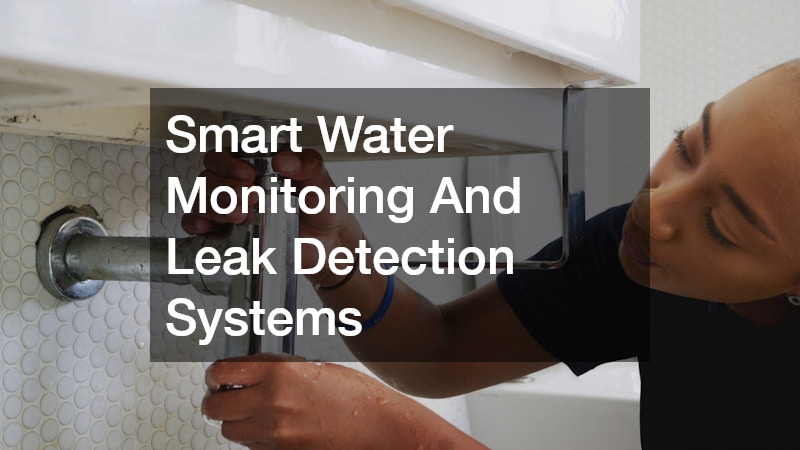
Water damage is one of the most common and costly problems homeowners face. A small leak that goes undetected can lead to mold, structural damage, and thousands of dollars in repair costs. Smart water monitoring systems are designed to prevent such disasters by continuously tracking water usage, pressure changes, and flow rates throughout the home. If an anomaly is detected, the system can alert homeowners immediately or even shut off the water supply automatically.
Beyond leak prevention, these systems can promote water conservation. By identifying inefficient appliances or fixtures that use more water than necessary, homeowners can make informed decisions to reduce waste and save money on utility bills. For example, smart water sensors placed under sinks, behind washing machines, or near water heaters provide real-time insights that traditional inspections might miss. Many homeowners also integrate these systems with other smart home platforms, allowing automated responses to potential issues, such as turning off a faucet remotely or alerting a plumber to schedule maintenance.
Professional installation is highly recommended to ensure compatibility with the home’s plumbing network. A trusted plumber can verify pipe integrity, check connections, and ensure that sensors are placed in the most effective locations. Combined with routine maintenance and occasional services from a restoration company when needed, smart water monitoring protects both the home and its long-term value, turning water safety into a seamless part of everyday life.
Energy-Efficient Lighting And Smart Electrical Controls
Lighting accounts for a significant portion of home energy consumption, yet it is one of the easiest systems to optimize. Smart lighting solutions allow homeowners to control brightness, color temperature, and schedules from smartphones or voice-activated assistants. By programming lights to turn off automatically in unoccupied rooms or adjusting brightness to suit specific activities, households can reduce energy consumption while enhancing comfort.
Smart electrical systems take this a step further. Modern electrical panels and smart outlets provide real-time monitoring of energy usage, helping homeowners identify appliances that are draining power unnecessarily. Some systems even suggest energy-saving alternatives or automatically cut power to devices that are not in use. This level of control is particularly beneficial for homes with multiple occupants or flexible schedules, as it ensures energy efficiency without sacrificing convenience.
It’s important to have these systems installed by a local electrician who is experienced with smart home technology. Proper installation guarantees safety, compliance with electrical codes, and seamless integration with existing wiring. Over time, smart lighting and electrical upgrades not only reduce utility costs but also enhance the overall functionality of the home, allowing residents to enjoy customized lighting environments for work, relaxation, or entertainment.
Advanced Indoor Air Quality And Climate Control
Indoor air quality significantly impacts comfort and health, yet it is often overlooked in home design. Smart climate control systems, including thermostats, air quality sensors, and automated ventilation, allow homeowners to monitor temperature, humidity, and airborne particles throughout the home. By adjusting conditions in real time, these systems maintain a healthier and more comfortable environment for residents.
Modern smart thermostats can learn daily routines and adapt accordingly, reducing energy use during periods of low occupancy and optimizing comfort when people are home. For example, a system might lower heating in unoccupied rooms during the day and preheat living spaces before family members return from work or school. Integrated air purifiers and humidity sensors help mitigate allergens, dust, and other pollutants, creating an environment that supports better respiratory health.
Professional installation ensures these systems operate efficiently and accurately. By partnering with qualified HVAC specialists, homeowners can ensure that sensors are correctly calibrated, ducts are optimized, and the system communicates effectively with other smart devices. Over time, smart climate control upgrades reduce utility costs, prolong the lifespan of HVAC equipment, and create a consistently comfortable living environment that adapts to changing seasons and household needs.
Smarter Drainage And Plumbing Performance

Plumbing failures are often gradual, starting with minor leaks or slow drains that eventually lead to significant damage. Smart plumbing solutions, including sensors and monitoring devices, help homeowners detect early signs of trouble. These devices can identify pressure drops, minor leaks, or unusual flow patterns, alerting residents before problems escalate.
While smart plumbing technology offers excellent detection, routine maintenance remains critical. Working with a drain cleaning plumber ensures pipes remain clear and water flow is unimpeded, enhancing the accuracy of monitoring systems. Preventative maintenance reduces the likelihood of sudden plumbing emergencies, protects home structures, and extends the lifespan of fixtures and pipes.
Integrating smart plumbing with professional services creates a proactive maintenance approach. For example, sensors can provide data that a plumber uses to prioritize repairs or preventative interventions. This combination of technology and professional expertise helps homeowners maintain a reliable and efficient water system, avoiding costly restoration services while promoting sustainable water use. Professional gutter services can also help with rainfall drainage.
Modern Water Filtration And Usage Optimization
Access to clean, safe water is essential for health, appliances, and overall quality of life. Smart water filtration systems not only improve taste and remove contaminants but also monitor filter performance and water consumption in real time. Homeowners receive alerts when filters need replacement, ensuring consistent water quality without guesswork.
Choosing a local water filter provider ensures systems are tailored to the specific needs of a household. Regional water quality varies, and professional assessment guarantees that the filtration system addresses the most relevant concerns, whether it’s removing sediment, chlorine, or other impurities. Proper installation also prevents leaks, maintains water pressure, and ensures long-term reliability.
Smart water filtration systems often include usage tracking features, helping homeowners identify opportunities to conserve water. For instance, detecting unusually high usage patterns can indicate leaks or inefficient appliances. By combining smart monitoring with expert maintenance, families enjoy safe, clean water, reduced waste, and lower utility bills, making this upgrade both practical and environmentally responsible.
Enhanced Home Security And Monitoring
Home security has become an integral part of modern smart living. Smart locks, motion sensors, and video doorbells allow homeowners to monitor activity in real time, receive instant alerts, and review recorded footage. These systems provide both protection and convenience, ensuring residents can keep an eye on their property from anywhere.
Smart security goes beyond intrusion prevention. Many systems allow temporary access for service providers or deliveries, providing flexibility without compromising safety. For families, this means peace of mind when children or elderly relatives are home alone. Integration with mobile devices ensures that homeowners are always informed, whether they are across town or across the globe.
Professional installation is crucial to ensure reliable performance and system integrity. Experts position sensors optimally, configure alerts, and verify connectivity, ensuring the system works seamlessly with other smart home devices. When paired with smart lighting, climate control, and other technologies, home security upgrades offer a comprehensive solution that enhances safety, comfort, and convenience.
Garage Automation And Access Control

Garage doors are a practical entry point for both vehicles and household storage, yet they are often neglected in smart home planning. Smart garage systems enable remote monitoring and control, allowing homeowners to ensure doors are closed, receive alerts about unusual activity, and even grant temporary access to visitors.
Upgrading to automated garage doors improves safety, reduces wear and tear, and increases convenience. Sensors detect obstacles, preventing accidents, while remote control apps eliminate the need to remember manual operations. Integration with other smart home devices creates a connected environment where security, lighting, and climate control can respond automatically to garage activity.
Professional installation is highly recommended to ensure proper alignment, safety calibration, and integration with existing electrical systems. Working with experienced technicians guarantees smooth operation, longevity, and optimal performance, making garage automation a smart investment in both safety and efficiency.
Outdoor Living And Smart Pool Management
Outdoor living spaces are now viewed as essential extensions of the home. Smart pool systems simplify maintenance by automating temperature regulation, chemical balance, and cleaning schedules. Automated systems ensure that pools remain safe, hygienic, and ready for use with minimal effort from homeowners.
Collaborating with a professional pool company is critical to proper installation and calibration. Experts can fine-tune equipment to seasonal variations, water chemistry, and local regulations. Smart pool technology often includes energy-efficient pumps, filtration systems, and integrated lighting, enhancing both sustainability and usability.
Beyond pools, smart outdoor solutions extend to irrigation, lighting, and weather-responsive features. Intelligent irrigation systems optimize water usage by adjusting schedules based on rainfall and soil moisture, reducing waste and ensuring healthy landscapes. Smart outdoor lighting enhances security, ambiance, and usability, creating inviting outdoor spaces that integrate seamlessly with indoor smart systems.
Integrated Glass And Window Technology
Windows are critical for energy efficiency, comfort, and natural light, making them prime candidates for smart upgrades. Smart glass technologies adjust tint automatically in response to sunlight, reducing heat gain, glare, and UV exposure while maintaining transparency. This minimizes the need for heavy window treatments or manual adjustments.
Working with a professional glass company ensures proper installation, durability, and optimal energy performance. Experts can recommend appropriate coatings, insulation, and tint levels based on climate, home orientation, and design preferences. Properly installed smart windows complement heating and cooling systems, creating balanced indoor temperatures and lowering energy bills.
Advanced glass solutions also enhance security and privacy, with options for impact-resistant or electronically switchable glass. These systems integrate seamlessly with other smart home technologies, creating a cohesive, energy-efficient, and aesthetically pleasing home environment.
Smart Mobility And Property Navigation Solutions

For larger properties or residential communities, smart mobility solutions enhance convenience, efficiency, and sustainability. Electric vehicles, including small utility vehicles or golf carts, offer environmentally friendly transportation for short distances, making it easier to navigate expansive properties or shared spaces.
Modern golf carts can be equipped with smart charging, tracking, and scheduling features, ensuring safe and efficient operation. These vehicles provide a practical solution for moving around large properties, carrying equipment, or supporting recreational activities without relying on traditional fuel-powered vehicles.
A professional setup ensures that smart mobility systems are safe, reliable, and integrated with the charging infrastructure. This attention to detail reduces maintenance issues and enhances the user experience. When paired with other smart home upgrades, mobility solutions increase accessibility, convenience, and lifestyle flexibility across the property.
Smart living upgrades are about more than convenience—they represent a shift toward intentional, efficient, and resilient home design. By focusing on improvements that enhance safety, comfort, and long-term performance, homeowners can create living environments that adapt to modern demands while delivering measurable benefits. From energy-efficient systems to advanced water management, smart upgrades transform daily routines and protect homes from unexpected costs.
Professional involvement is key to maximizing the impact of smart upgrades. Electricians, plumbers, pool companies, glass companies, and other specialists ensure systems are installed correctly, work reliably, and integrate seamlessly with existing infrastructure. These experts also provide valuable guidance on ongoing maintenance, helping homeowners protect their investments over time.
By prioritizing upgrades that are practical, efficient, and well-supported, homeowners can enjoy a modern living experience that balances technology with reliability. Smart homes are not just about novelty—they are about creating a safe, comfortable, and sustainable environment that improves daily life and supports long-term property value. With thoughtful planning and professional execution, any home can benefit from smart living solutions that make life easier, safer, and more enjoyable.